Coordiante the city experience without owning new operations.
How Cities Use Zekeya™

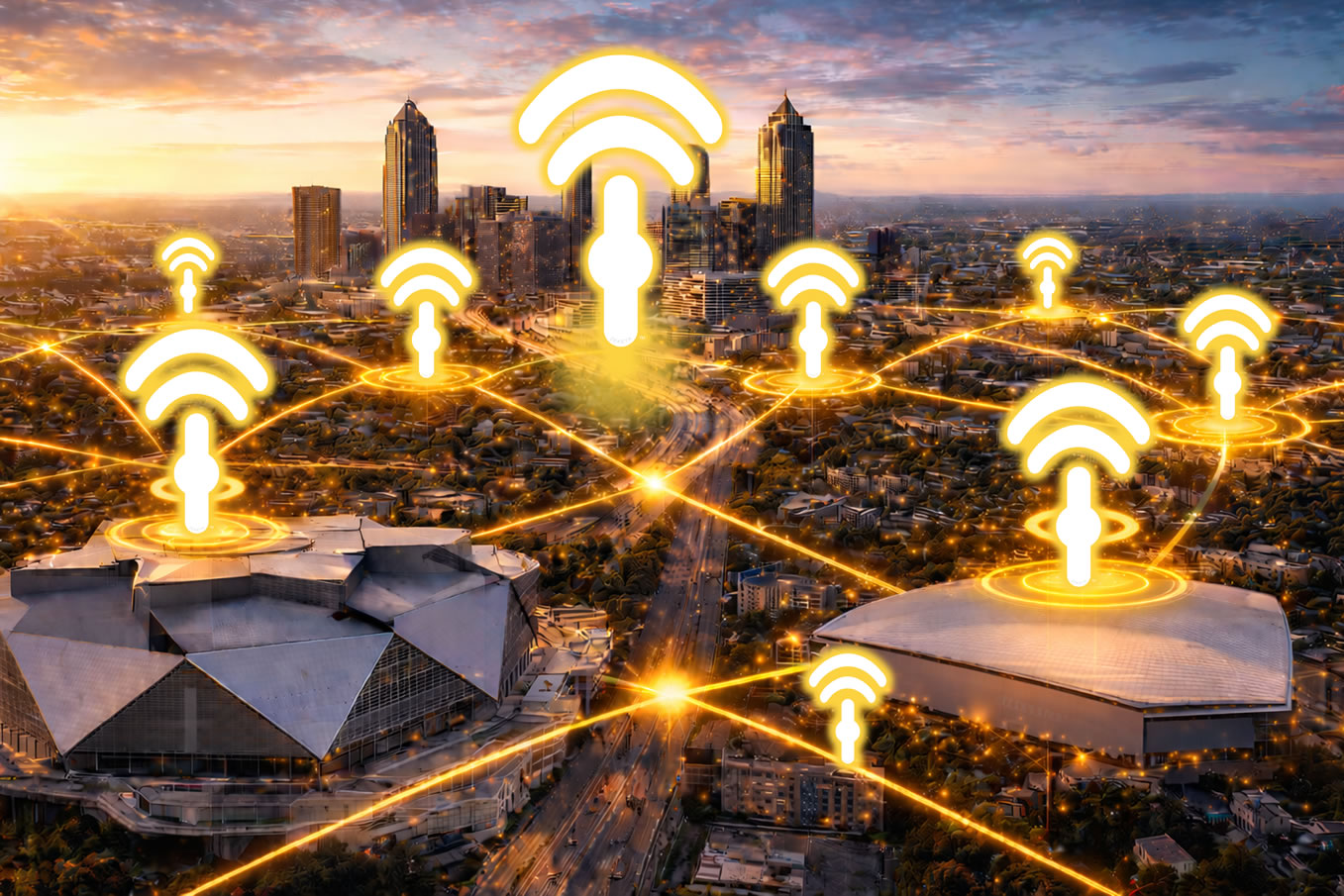
Zekeya™ is physical-first engagement infrastructure that cities use to coordinate how people move through hotels, venues, and city moments—without adding operations, apps, or surveillance.

Years of Experienced
Every major city produces a shared experience across hotels, venues, and city activity.
People arrive.
They check in.
They move between places.
They experience moments.
This happens continuously—across independent stakeholders—whether it’s coordinated or not.
During major weekends, seasons, and citywide events, coordination strain becomes visible.
 Hotels experience front desk surges.
Venues operate independently.
Teams activate in isolation.
Guests improvise their way through the city.
Hotels experience front desk surges.
Venues operate independently.
Teams activate in isolation.
Guests improvise their way through the city.
No single actor owns the full journey—and no one is failing. The system simply lacks a shared layer.


 Event Campaigns
Standalone apps
Temporary activations
On-off tools
Event Campaigns
Standalone apps
Temporary activations
On-off tools
 Resets every time
Increases friction
Requires constant management
Doesn't operate across stakeholders
Resets every time
Increases friction
Requires constant management
Doesn't operate across stakeholders
It operates across hotels, venues, teams, and city moments.
It is authorized at the city level—not operated day to day by the city.
It provides a consistent way for people to discover information and experiences where they already are.
Zekeya™ does not replace stakeholders..
It aligns them.
Zekeya™ operates as the physical-first engagement layer of the Fan Journey Network™ — a citywide system that governs how people arrive, move, and experience moments across hotels, venues, and teams.
The Fan Journey Network™ provides structure and consistency.
Zekeya™ is how that structure becomes visible in the real world.


It operates across hotels, venues, teams, and city moments.
When people see the Zekeya™ symbol, they know they can tap to access information and experiences relevant to where they are.
No instructions.
No prompts.
No explanations required.
The symbol functions as wayfinding—just like Wi-Fi, accessibility, or transit icons.
The same symbol appears in hotels, venues, and city locations—so access feels predictable, not experimental.
The symbol indicates authorized access points-not ads, not pop-ups, not surveillance.
People don’t need to download, register, or learn anything new. The symbol does the work.
Tapping a Zekeya™ symbol does not collect personal data, track behavior, or require an account.
Zekeya™ is designed to provide information and experiences without collecting personal data or monitoring guests.
These are system constraints, not optional settings.
When a city authorizes Zekeya™, the Fan Journey Network™ becomes active across participating environments—so participation becomes aligned instead of negotiated.
Zekeya™ operates across participating environments based on role and context.
Coordiante the city experience without owning new operations.
How Cities Use Zekeya™
Reduce front desk pressure without apps, training or guest data capture.
For Hotels
Zekeya™ is introduced through citywide coordination.
City briefings establish scope, governance, and alignment across participating environments.
© 2026 eSmart Co. Zekeya™ powered by the Fan Journey Network™. All Right Reserved